• All Posts
  • CEO Advisory Group
  • newsletter
  • Vistage Events
  • Vistage Speakers
  • Webinars
  • Vistage Testimonials
  • Events
  • podcast Episode
  • Business
  • Vistage Members
  • Future Trends
  • Economic Trends
  • Leadership Strategies
  • Marketing Monday
  • Vistage Business Transaction Center
  • Membership Types
  • Extra News
April 05.2025
3 Minutes Read

Navigating Tariff Turbulence: Insights and Strategies for Business Leaders

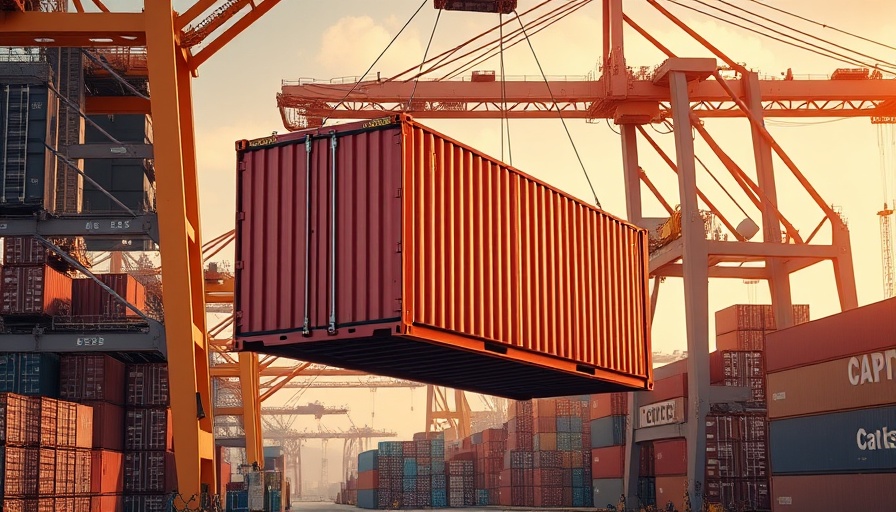
Shipping container in port with economic growth indicators.

The New Tariff Landscape: Hazards and Opportunities Ahead

The recent announcement from the White House regarding a new round of tariffs has sent ripples through the market, prompting U.S.-based companies to reconsider their strategies. In the past, tariffs have generally resulted in increased costs for businesses reliant on imported goods—a trend that is likely to persist. The question remains: how can companies navigate this storm of tariff turbulence effectively while ensuring stability?

Understanding the Underlying Trends

Historically, economic disruptions caused by tariffs often lead to escalated prices for consumers and businesses. In 2025, the implications of new tariffs seem reminiscent of those seen in prior decades, which had analogous structural impacts. As costs go up, businesses face a dichotomy: absorb the additional charges or pass them on to customers. Most will likely opt for a combination of both strategies, leading to an inevitable increase in prices. This pattern underscores the recurring cycle of tariffs, where immediate financial repercussions are felt, but broad economic adjustments may take longer to materialize.

What Sets This Tariff Announcement Apart?

While past tariff introductions share similarities with current events, they are characterized by an unprecedented level of unpredictability. Frequent policy revisions and contradictory announcements have created a climate of uncertainty, which can stifle business confidence and decision-making. The stock market often rewards predictability; when that is absent, as we are experiencing today across various sectors, fear tends to dominate the marketplace.

Emotional Reactions to Tariff Changes

From psychological perspectives, fear plays a pivotal role in business economics. The concept of Intolerance of Uncertainty shines light on why businesses may hesitate in their spending strategies during chaotic economic times. As companies grapple with both predictable tariff increases—said to rise costs by about 17%—and unpredictable future developments, they may adopt a more cautious approach, opting to freeze investments instead of making bold growth decisions.

Building a Strategic Response Plan

Amid the chaos, companies need to formulate robust strategies to weather the storm. Here are some actionable insights for leaders facing this tariff turbulence:

  • Assess Supply Chains: Evaluating supply chains for resilience is critical. Identifying alternative suppliers—both domestic and international—may mitigate risks associated with sudden tariff changes.
  • Cost Management: Implementing cost-control measures can help absorb some of the shock from increased tariffs without immediately passing on costs to consumers.
  • Transparent Communication: Maintaining open lines of communication with stakeholders—including customers, suppliers, and employees—can help manage expectations and build trust.
  • Scenario Planning: By developing multiple scenarios for how tariffs may impact the business, leaders can prepare for various outcomes, allowing them to respond swiftly as circumstances evolve.

Lessons from the Past: A Cautionary Tale

Reflecting on previous tariff environments reveals important lessons. There were instances where companies that failed to adapt quickly faced significant challenges, including loss of market share and diminished consumer trust. By learning from the past, businesses can equip themselves to better handle current uncertainties, ensuring they remain competitive in a shifting economic landscape.

Final Thoughts: Navigating Through the Uncertainty

The pressure from tariffs may seem daunting for business leaders, yet it is not the end of the journey. Rather, it presents an opportunity for companies to innovate and strengthen their value propositions. Embracing the unpredictable nature of tariffs may ultimately lead to creative solutions that enhance operational efficiency and customer satisfaction.

Call to Action

In this time of economic flux, it is crucial to rally as leaders and share insights. Consider joining Vistage’s CEO Advisory Groups for tailored support and perspective from fellow leaders navigating similar challenges. Together, we can turn this turbulence into a transformational experience.

Economic Trends

0 Comments

Write A Comment

*
*
Related Posts All Posts
01.07.2026

Small Business Confidence Rises as Economic Conditions Improve

Update Rising Optimism: Small Business Confidence on the Upswing As we transition into 2026, small businesses across the nation are experiencing a notable upswing in confidence. Indicators suggest that after successfully navigating challenges like government shutdowns and monetary policy shifts, business leaders are optimistic about the future. The latest WSJ/Vistage Small Business CEO Confidence Index revealed a rise to 94.3, signifying an encouraging trend amidst lingering uncertainties in the broader economy. Understanding the Drivers Behind Growing Confidence The optimism among small business owners can be attributed to several factors. Predominantly, reduced interest rates and a stabilizing inflation environment have provided much-needed relief. This was echoed by Gary Bales, CEO of Aurora Boardworks, who highlighted that while inflation remains a concern, particular sectors are witnessing increased demand which bodes well for future earnings. As a result, businesses are planning significant workforce expansions to meet this uptick in demand. Price Increases: A New Norm for Protecting Margins As profits and revenues appear to improve, many businesses are making strategic decisions regarding pricing. With more than half of small business leaders planning to raise prices within the upcoming months, it becomes critical to understand the motives behind these increments. Most price increases fall within a 4%-6% range and, significantly, are predominantly defensive, linked directly to rising operational costs such as wages and health insurance. A pattern emerges as businesses often raise prices incrementally to not alienate customers. Cathy Moulton from Thomas Wynne LP encapsulated this mindset, emphasizing that passing higher costs directly onto consumers is a delicate balance aimed more at protecting margins than capitalizing on consumer demand. The Labor Market: Strategies to Combat Talent Shortages The labor landscape presents another challenge for small businesses, as the ratio of open positions to available talent remains at a daunting 1:1. To address ongoing talent shortages, many are turning to overseas hiring, contractors, and even technology solutions. This approach not only mitigates the immediate staffing challenges but also positions these businesses strategically for long-term growth amidst a competitive job market. Cash Flow: The Lifeblood of Small Operations Cash flow remains a critical focus area, particularly as businesses brace for external pressures from inflation and possible policy shifts. Echoing the sentiment from recent surveys, many small business owners recognize that navigating through uncertain times requires a disciplined approach to cash flow management. Popular strategies include proactive collections processes and the use of accounts receivable factoring, which converts unpaid invoices into immediate working capital, aiding businesses in maintaining liquidity during fluctuations. As identified in the small business sector's trends for 2026, cultivating a robust cash flow strategy can empower leaders to respond effectively to both challenges and opportunities. Looking Ahead: Insights for Small Business Owners Entering this new year, small businesses must remain vigilant, consistently adapting to economic and policy changes. The outlook for 2026 offers hope for steady growth despite ongoing uncertainties linked to inflation, tariffs, and labor dynamics. Small business leaders would do well to prioritize informed, proactive strategies—such as leveraging technology for greater operational efficiency and enhancing talent through innovative hiring practices—to weather potential storms while steering towards robust growth. In summary, as the economic landscape evolves, staying connected with policy developments and maintaining a strong cash position will be essential for small businesses to thrive amidst uncertain times. The commitment to adapt and prioritize strategic planning is what will ultimately distinguish these businesses in a competitive market. For more insights into the journey and solutions available for small businesses, consider joining the conversations at upcoming events hosted by Vistage, where thought leaders and experts share strategies for navigating this dynamic landscape.

11.28.2025

How Tariffs and Trade Policies Are Shaping SMB Strategies Ahead of 2026

Update The Rising Impact of Tariffs on Small and Midsize Businesses As we head into the year 2026, the challenges posed by tariffs and trade unpredictability are weighing heavily on the shoulders of small and midsize business (SMB) leaders. The ongoing fluctuations in tariffs have disrupted not just budgeting and long-term planning but can also lead to a reshaping of strategies that affect various sectors including construction and manufacturing. CEO Confidence in Flux Amid Tariff Uncertainty According to recent insights from the Vistage CEO Confidence Index, there was a noticeable dip in confidence among CEOs when the U.S. imposed sweeping tariffs earlier this year. This abrupt shift shocked many business leaders, prompting the question: how do you plan when trade policies can change at a moment's notice? In contrast, recent months have shown a slight uptick in confidence, perhaps as leaders adapt to the new normal. However, the reality remains—71% of CEOs surveyed report negative impacts from tariffs, with 35% facing direct consequences and 36% feeling the effects indirectly. Operational Adjustments as a Response to Rising Costs Many business leaders are confronted with increased operational costs due to tariffs. A significant 62% of CEOs indicated that they have seen operational costs rise, with nearly half reporting declines in profitability as a direct consequence. To cope, many are increasing their prices, with 43% having already done so and another 51% planning upcoming hikes. Beyond pricing, CEOs are also forced to make difficult choices—nearly one-quarter are cutting back on capital expenditures or hiring, while 15% are reducing their marketing budgets. Strategic Shifts in Supply Chain Management Tariffs are not just impacting costs; they are also reconfiguring supply chains nationwide. Many leaders have begun seeking materials from domestic suppliers or shifted production to countries with lower tariff implications, such as Mexico or Australia. This shift is not without its challenges, as higher sourcing costs often offset the benefits of domestic production. However, as international prices rise, domestic producers may find themselves at a strategic advantage. Future Predictions: Tariffs as a Persistent Challenge The latest announcements about increased tariffs, including hefty duties on products ranging from heavy trucks to pharmaceuticals, have brought about further uncertainty. As such tariffs show no signs of disappearing, SMBs have no choice but to innovate and redesign their operational strategies continuously. The traditional long-term planning model is being replaced by agility and responsiveness to market shifts. Organizations that combine strategic foresight with operational flexibility will be better positioned to thrive amidst these persistent challenges. Taking Action: What Businesses Can Do The current landscape demands an actionable approach. CEOs and business leaders should not only prepare for tariff implications but also devise strategies to enhance resilience against similar future disruptions. This could involve investing in technology for inventory management, leveraging data analytics for better forecasting, and collaborating with suppliers to ensure they can navigate these challenging waters together. Moving forward, understanding the evolving trade landscape will be essential for safeguarding profits and ensuring competitive advantage. In closing, as tariff-related complexities continue to plague the business environment, it’s crucial for SMBs to remain proactive in their approaches. The insights derived from data and peer networks can provide critical guidance as these leaders navigate this uncertain terrain.

11.27.2025

Navigating Economic Headwinds: Small Business Confidence Rises Despite Inflation

Update Confidence Amidst Challenges: Small Business Leaders Adapt Recent data reveals a curious dichotomy in small business sentiment. On one hand, the WSJ/Vistage Small Business CEO Confidence Index surged to an impressive 90.2, indicating a 9-month high in confidence despite ongoing economic uncertainty. However, the shadow of inflation lingers heavily, presenting a persistent challenge for operators across the country. This unique blend of optimism for future revenues and sharp awareness of rising operational costs paints a complex picture for small businesses. The Inflation Conundrum: A Mutual Challenge Small businesses are the backbone of the American economy, yet they are particularly susceptible to fluctuations in the market. The current landscape, marked by inflationary pressures, means owners are feeling squeezed from all sides. According to the WSJ/Vistage report, 91% of small business leaders reported facing inflation-based cost increases. Vendor price hikes and labor costs are undermining profitability, yet many businesses are responding with resilience. For instance, around 50% have begun raising prices to compensate, while others focus on renegotiating supplier contracts as highlighted by industry experts like Aaron Cother from Lorica Capital. Shifting Strategies for Sustainable Growth As business leaders work to harness the raised confidence levels, strategic adjustments are essential. The MetLife and U.S. Chamber of Commerce Small Business Index supports this notion, revealing an upward trend in comfort with cash flow among small business owners. However, the pain point remains clear: 46% cite inflation as their primary challenge, making it paramount to explore innovative solutions. Streamlined operations, enhanced marketing strategies, and technology investments emerge as common themes in how businesses are planning to weather the storm. Realistic Growth Expectations: Striking a Balance Even as small business leaders express newfound confidence, they remain realistic about their expectations for the future. Growth forecasts are tempered by inflationary pressures, labor shortages, and a sensitive consumer base. Insights gathered suggest that many owners are adjusting to market dynamics, with a focus on sustainability and customer retention. The delicate balance between price adjustments and customer loyalty is crucial; businesses must carefully communicate their rationale for pricing changes to maintain trust, especially highlighted by the case of Big Mama's Kitchen & Catering. Looking Ahead: Preparing for Future Trends Despite immediate challenges, small business leaders are looking toward future trends with optimism. As inflation potentially eases in the coming quarters, businesses are positioned to pivot their strategies. In this environment, it is vital for leaders to review operational efficiencies and consider technological investments that can drive productivity. Additionally, engagement with local economic initiatives can further bolster the resilience of these community cornerstones.

Terms of Service

Privacy Policy

Core Modal Title

Sorry, no results found

You Might Find These Articles Interesting

T
Please Check Your Email
We Will Be Following Up Shortly
*
*
*