• All Posts
  • CEO Advisory Group
  • newsletter
  • Vistage Events
  • Vistage Speakers
  • Webinars
  • Vistage Testimonials
  • Events
  • podcast Episode
  • Business
  • Vistage Members
  • Future Trends
  • Economic Trends
  • Leadership Strategies
  • Marketing Monday
  • Vistage Business Transaction Center
  • Membership Types
  • Extra News
February 17.2025
2 Minutes Read

The Key Traits of Entrepreneurs: Essential Characteristics for Business Success

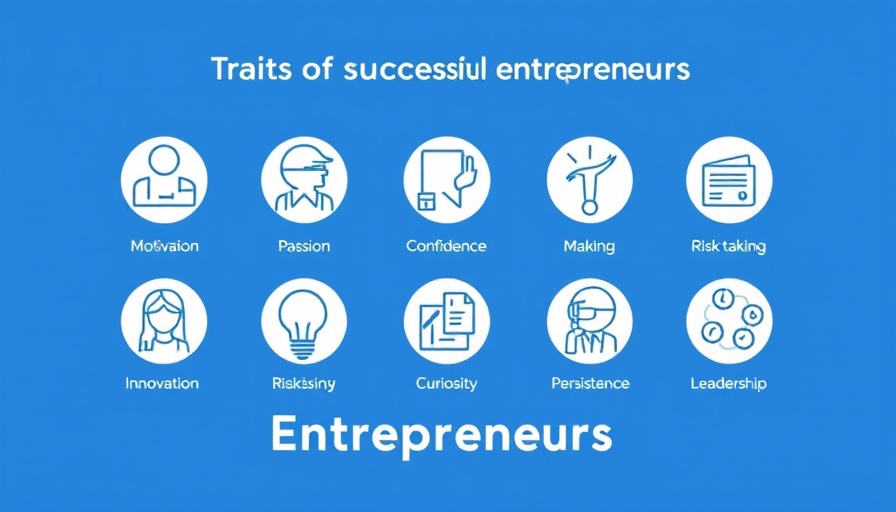
Icons displaying traits of successful entrepreneurs on a blue background.

Unlocking Entrepreneurial Success: Understanding Key Traits

Entrepreneurs embody unique characteristics that not only fuel their own success but also drive economic growth and innovation. While some individuals naturally possess these traits, others can cultivate them through experience and training. In today's ever-evolving market, recognizing and refining these essential entrepreneurial qualities has never been more crucial.

The Role of Entrepreneurs in Economic Progress

Entrepreneurs are vital to economic ecosystems. They create jobs, foster competition, and introduce innovative products and services that address customer needs. As seen during economic downturns, a strong entrepreneurial spirit is essential for recovery. Entrepreneurs not only contribute to local economies but also play a significant role in the global market, making their leadership and decision-making skills even more essential.

Types of Entrepreneurs and Their Unique Traits

From small business owners to tech innovators, entrepreneurs come in various forms, each defined by specific characteristics. While some focus on sustaining small operations, others aspire to scale their ventures dramatically. Each type of entrepreneur, however, shares common traits like resilience, creativity, and a willingness to take risks, which are fundamental to their success. Understanding these differences can help aspiring entrepreneurs identify where they fit in the entrepreneurial landscape.

Common Misconceptions About Entrepreneurs

Many believe that entrepreneurs need to be inherently wealthy or highly educated; however, this is a misconception. What truly defines entrepreneurs is their mindset, drive, and ability to adapt. For instance, the willingness to experiment and learn from failures is often more valuable than traditional credentials. By dispelling myths, we can encourage a more diverse group to pursue entrepreneurship.

Future Insights: The Evolving Nature of Entrepreneurship

As technology and global needs evolve, so do the characteristics of successful entrepreneurs. Future entrepreneurs will likely need to enhance their digital literacy and global awareness. The ability to pivot quickly and innovate in response to market changes will be indispensable. Furthermore, fostering emotional intelligence and empathy will enhance entrepreneurs' ability to connect with their teams and customers, proving vital for long-term sustainability.

Practical Tips to Develop Entrepreneurial Characteristics

For aspiring business leaders, nurturance of entrepreneurial characteristics can significantly impact growth. Engaging in continuous learning, seeking mentorship, and being proactive about taking on new challenges are effective ways to build these traits. Entrepreneurs should also embrace feedback and reflection, allowing for personal and professional growth. By focusing on these areas, aspiring leaders can cultivate the necessary skills to thrive.

Conclusion: Embracing the Entrepreneurial Mindset

Understanding the characteristics of successful entrepreneurs and implementing strategies to enhance them can lead to a fulfilling and impactful career. Those aspiring to dive into the entrepreneurial waters should embrace risk, foster creativity, and be adaptable. By doing so, they can not only contribute to their ventures but also make a lasting impact in the broader economy. Whether you're a seasoned leader or just starting out, the journey to entrepreneurship is a continuous process of growth and learning.

Leadership Strategies

0 Comments

Write A Comment

*
*
Please complete the captcha to submit your comment.
Related Posts All Posts
05.05.2026

Explore Must-Read Titles for Small Business Success in 2026

Update Celebrating Small Business Success: Must-Read Titles for 2026 As we enter 2026, National Small Business Month serves as a pivotal reminder of the contributions small enterprises make to the economy and society. This year, we spotlight essential reads designed to inspire and educate entrepreneurs and business leaders alike, helping them navigate the constantly evolving landscape of entrepreneurship. Curated Book List: Knowledge is Power In an age where knowledge is paramount, the right literature can set the tone for business development and growth. A carefully curated selection of must-read books for business leaders, especially those leading smaller teams, can not only offer insights and strategies but also provide the motivation necessary to excel. Following are key titles that promise valuable takeaways: "Build the Damn Thing" by Kathryn Finney - A compelling narrative about creating success despite systemic barriers. Finney's insights can empower aspiring entrepreneurs of all backgrounds. "Atomic Habits" by James Clear - This book emphasizes the power of small changes leading to drastic improvements in business practices and personal productivity. "Dare to Lead" by Brené Brown - Focusing on empathy and vulnerability, Brown’s insights are particularly relevant for leaders in the small business sector. "Competing in the Age of AI" by Marco Iansiti and Karim R. Lakhani - A vital read for those looking to harness technology in their strategic growth plans. "Shoe Dog" by Phil Knight - A memoir that details the struggles and triumphs faced while building Nike, providing timeless lessons for any entrepreneur. Empowering Entrepreneurs: The Social Connection Books provide business leaders not just with knowledge but also a sense of camaraderie. In gripping narratives and insightful writings, readers often find reflections of their challenges and triumphs, fostering a unique bond with their peers. Good Company, a prominent voice for entrepreneurs, emphasizes how sharing experiences through books amplifies the sense of community among small business owners. Relevance to Current Events: Addressing Today’s Challenges As small businesses continue to adjust to the rapid changes in market dynamics exacerbated by recent economic shifts, now is an opportune time to leverage literature's impact. With the rise of digital technology and the evolving consumer landscape, successful entrepreneurs must adapt and innovate. Books aligned with current trends, such as AI and e-commerce strategies, are more crucial than ever. Key Takeaways: Decisions You Can Make Today Reading these selected titles not only provides actionable insights but also encourages business leaders to implement new practices into their operations. For instance, adopting the habits espoused in "Atomic Habits" could transform workplace dynamics. Additionally, entrepreneurs can explore resilience strategies from "Dare to Lead" to foster a better team environment while adapting to change. Looking Ahead: Future Trends and Opportunities With each passing year, small businesses face new opportunities for advancement. Incorporating lessons from literature into strategic planning can position entrepreneurs favorably in a competitive landscape. As we dive into 2026, adopting a mindset of continuous learning—fuelled by insightful business reads—will be critical for any leadership vision. Encouraging Action: Invest in Knowledge As National Small Business Month encourages reflection and growth, investing in your development through reading is paramount. Whether you choose to dive into one of the suggestions mentioned or explore other titles providing valuable insights into leadership and entrepreneurship, each book represents a step forward in your journey. Make it a commitment to not just read, but to implement the knowledge gained from it into your business operations. So grab a book or two from this list and begin your journey of learning today!

05.04.2026

Harnessing Collective Wisdom: The Role of CEO Peer Groups in 2026

Update Unlocking Strategic Leadership: The Essential Role of CEO Peer Groups in 2026The rapid pace of change influenced by artificial intelligence (AI), technology, and global dynamics, presents significant challenges for even the most seasoned CEOs. As leaders of tomorrow look for clarity and direction, engaging with peer advisory groups emerges not just as beneficial, but essential. This is especially pertinent in 2026, where the dynamics of business are evolving at a breakneck speed.According to Clarence Williams from the CEO Advisory Group, these groups play a pivotal role in cultivating strategic leadership. As industries transform, the ability to foresee disruptions becomes critical, and collaborative insights from peers are paramount.Understanding Collective Intelligence Among CEOsIn an era where complexity reigns supreme, the most successful CEOs will be those who venture beyond insular perspectives and proactively embrace external insights. A notable example illustrates this point: a CEO faced with the harsh reality of laying off employees due to AI-driven restructuring was able to pivot thanks to feedback from their peer group. Instead of layoffs, the discussion led to a solution that focused on upskilling employees to transition into new technology-driven roles, thus preserving essential knowledge within the organization.The Transformative Power of AI in LeadershipAI's impact on corporate strategies is undeniable, with a BCG report indicating that nearly 74% of CEOs view themselves as the primary decision-makers for AI in their organizations. This shift underscores a fundamental transformation where AI is no longer just an operational tool but a significant element shaping strategic decision-making. Peer advisory groups prove invaluable here, allowing leaders to share best practices and navigate the complexities of AI implementation effectively.As businesses ramp up their AI investments, connecting with peers in advisory groups can help bridge significant knowledge gaps, enabling comprehensive strategies encompassing AI risk management and workforce transitions. The differentiation between successful and struggling organizations will increasingly depend on leadership's ability to assimilate these insights and act upon them.Cultivating Trust Through Vulnerability in LeadershipLeadership often carries an isolating weight, particularly at the top. Williams emphasizes that CEO peer groups break this isolation and foster a culture of vulnerability and transparency. In meetings where members engage in honest self-assessments, critical and often hidden issues can surface. This environment of trust amplifies accountability and sparks transformational insights that not only benefit individual leaders but enhance their organizations as well.Proactive Foresight: Navigating Future TrendsIn a world marked by rapid technological evolution, the need for proactive leadership is paramount. As AI continues to revolutionize workplaces, the trailblazer CEOs who have embedded AI into their strategies are already reaping rewards in productivity. In contrast, CEOs hesitant to embrace change may find themselves lagging behind in a competitive landscape.It's increasingly clear that the future will favor those leaders who demonstrate agility and strategic foresight, aligning their organizations’ capabilities with ongoing technological advancements.Actionable Insights for Business LeadersAs the corporate world navigates this transformative landscape, CEOs should take actionable steps to leverage the advantages provided by peer groups. This includes prioritizing AI as a central strategy, enhancing personal fluency in AI applications, and committing to substantial investments in workforce capability alongside AI technologies. Close monitoring of outcomes and the adaptability of strategies will be key as organizations aim to harness the full potential of AI.Concluding ThoughtsAs 2026 unfolds, the landscape of corporate leadership will be characterized not just by technological prowess but by the strength derived from collaboration. Developing strategic insights through peer advisory groups will be essential for today’s executives aiming to navigate their organizations toward success amidst unprecedented change. CEOs who recognize this dynamic and act upon it will ultimately shape the future direction of their industries. Embracing these collective insights can empower leaders to transform challenges into opportunities for growth and innovation.

05.03.2026

Unlocking the Future: How CEO Peer Groups Enhance Strategic Leadership in 2026

Update Unlocking the Future: How CEO Peer Groups Enhance Strategic Leadership in 2026 The rapid pace of change influenced by artificial intelligence (AI), technology, and global dynamics continues to challenge even the most seasoned CEOs. As the leaders of tomorrow look for clarity and direction in their organizations, engaging with peer advisory groups emerges as not merely beneficial but essential. Drawing on over 60 years of cumulative experience, Clarence Williams from the CEO Advisory Group underscores the pivotal role these groups play in cultivating strategic leaders who can foresee and navigate disruptions within their industries. Understanding the Value of Collective Intelligence In 2026, CEOs who thrive are those who proactively seek external insights rather than relying solely on internal perspectives. This proactive engagement is crucial as organizations face increasingly complex challenges driven by AI and technological advancements. Williams argues that the future belongs to leaders who leverage the collective wisdom of their peers to drive innovation and strategic foresight. This isn’t just a shout-out to the importance of networking; it’s about forming a brain trust designed to generate innovative solutions. For instance, during one advisory session, a CEO faced the hard decision of potentially laying off 20 employees due to AI-driven restructuring. Instead of choosing the traditional route, the peer group rallied together to propose upskilling these employees to fill new roles created by emerging technologies. This collaboration not only minimized disruption but also preserved vital institutional knowledge. AI: The Catalyst for Leadership Transformation The significance of AI in today’s business landscape cannot be overstated. A BCG report highlights that 74% of CEOs now regard themselves as the key decision-makers for AI, reflecting an industry-wide recognition that AI reshapes fundamentals, from strategy to operations. As such, peer advisory groups become instrumental in sharing best practices and troubleshooting issues related to AI implementation. As companies double their spending on AI in 2026, connecting with peer groups can bridge knowledge gaps and galvanize comprehensive approaches to AI strategy, risk management, and workforce transition. In fact, AI's success hinges not just on technology but on the leadership's preparedness to integrate it effectively. The ability to harness insights from peer discussions could be the differentiator in a competitive landscape dominated by AI capabilities. Fostering an Environment of Vulnerability and Transparency Leadership can often feel isolating, especially in high-stakes environments where transparency may seem risky. Williams underscores how CEO peer groups break this cycle by engendering trust among members. By starting meetings with honest self-assessments covering personal and organizational status, CEOs can surface critical issues that might remain hidden in traditional hierarchies. This culture of vulnerability not only promotes accountability but also sparks transformational insights. Authentic conversations about challenges and threats in a supportive peer environment cultivate an atmosphere conducive to open dialogue, ultimately leading to powerful solutions that benefit not only individual executives but their organizations as a whole. Navigating Future Trends with Strategic Foresight The significance of proactive leadership cannot be overstated in an age marked by rapid technological change. CEOs need to stay ahead of trends, especially with AI revolutionizing workplaces. Trailblazer CEOs, as identified in recent studies, are those who have successfully integrated AI into their strategies and are already reaping productivity benefits. In contrast, follower CEOs tend to lag, often wary of the risks associated with rapid technological advancement. Those engaged in peer groups can harness the collective foresight necessary to navigate these shifts successfully. The shared experiences and strategies discussed among peers can serve as a roadmap, helping leaders capitalize on opportunities presented by AI while mitigating associated risks. The Path Forward: Why Engaging in Peer Groups is Key For CEOs seeking ways to optimize their organizations in 2026 and beyond, exploring the dynamics of peer advisory groups offers more than a support network. It becomes a strategic advantage that facilitates the sharing of insights and approaches for creating agile, AI-ready organizations. As Williams suggests, it is through these peer connections that leaders can truly master challenges brought on by technological changes. In conclusion, leaders in business today must acknowledge that survival hinges on collaboration, insight sharing, and innovative problem-solving—a realization that can profoundly impact organizational success in the complex landscape of 2026. Embrace the opportunity to engage with peer advisory groups and transform your leadership style into one of collective action and strategic foresight.

Terms of Service

Privacy Policy

Core Modal Title

Sorry, no results found

You Might Find These Articles Interesting

T
Please Check Your Email
We Will Be Following Up Shortly
*
*
*