• All Posts
  • CEO Advisory Group
  • newsletter
  • Vistage Events
  • Vistage Speakers
  • Webinars
  • Vistage Testimonials
  • Events
  • podcast Episode
  • Business
  • Vistage Members
  • Future Trends
  • Economic Trends
  • Leadership Strategies
  • Marketing Monday
  • Vistage Business Transaction Center
  • Membership Types
  • Extra News
February 15.2025

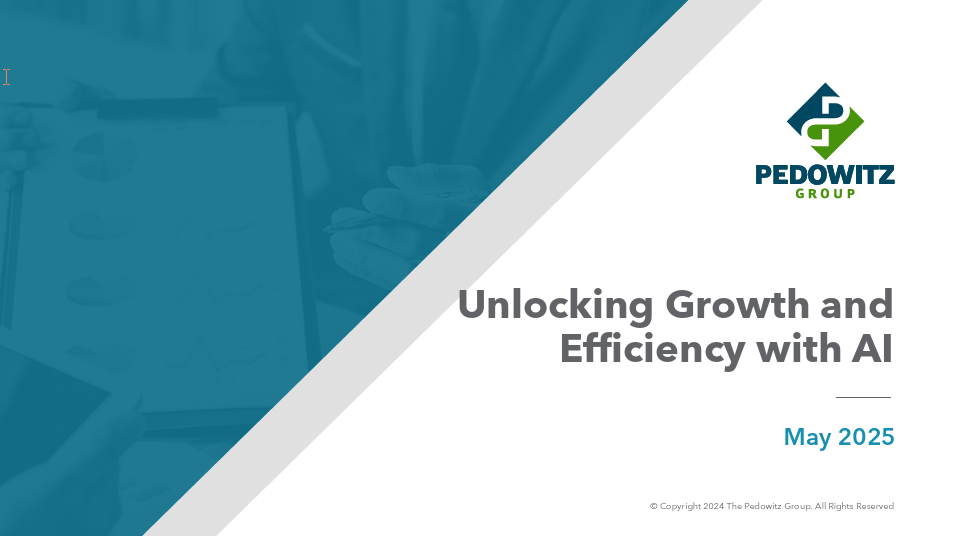
Unlocking Growth and Efficiency with AI

A Multi-Functional Playbook

Artificial Intelligence (AI) is no longer just the realm of futuristic speculation—it has become a practical engine of business transformation. Organizations today use AI to automate routine tasks, gain real-time analytics, predict trends, and deliver deeply personalized customer experiences. Leaders who harness AI can expect to see significant gains across various business functions—from Sales and Marketing to Finance, HR, and Operations. Here’s how AI is reshaping the landscape and offering a playbook to drive sustainable growth.

1. Why AI Matters for Modern Businesses

The Race Against Time and Competition

According to the insights shared in the PDF, companies adopting AI are already seeing a 3–15% revenue increase and a 10–20% uplift in sales ROI. Competitors are moving fast; to maintain an edge, businesses need to integrate AI now rather than later. AI-driven automation can reduce resource demands by up to 30%, free up time for strategic planning, and double lead conversions with more personalized outreach strategies.

CEO-Level Advantages

AI is a game-changer for C-level executives because it drives:

  • Predictive Insights: Real-time data can inform the next steps in product development, marketing campaigns, or sales outreach.

  • Scalability: AI-based tools grow with your organization, adapting to changes in personnel, product lines, or customer demand.

  • Differentiation: Leaders who incorporate AI into their strategy can pivot faster and respond more effectively to market disruptions.

2. High-Impact Use Cases Across Business Functions

Sales

Sales teams can use AI to handle lead qualification in minutes, personalize outreach, and receive real-time deal insights. Tools like Weflow, Zoho Zia, Jasper, ChatSpot (HubSpot), and Crystal Knows each tackles different aspects of sales optimization:

  • Deal Forecasting: Identifying at-risk deals and strategizing next steps.

  • Personalized Communication: Instantly generating targeted messages based on a prospect’s profile or personality traits.

  • Automated Follow-Up: Engaging inactive leads, scheduling meetings, and accelerating speed-to-lead conversions.

Marketing

AI in marketing streamlines content creation, campaign personalization, and social engagement:

  • Buffer or Writesonic help generate and schedule social media posts that are timely and on-brand.

  • Frase.io improves SEO performance by analyzing competitor data and suggesting relevant topics and keywords.

  • HubSpot integrates marketing, CRM, and analytics for a unified lead funnel.

  • The writer ensures consistency in brand voice while creating large volumes of content at scale.

Key Benefits:

  • Deep personalization at every customer touchpoint.

  • Automated email and social media campaigns.

  • Real-time campaign monitoring and analytics.

Jeff Pedowitz - AI Revenue Architect

Finance

Finance departments are increasingly turning to AI to handle everything from transactional bookkeeping to sophisticated predictive analytics:

  • Booke.ai and Vic.ai streamline invoice processing and categorization.

  • Vena Insights enables accurate forecasting and budgeting with real-time data visualization and modeling.

By automating routine tasks, financial teams can pivot from manual data entry to strategic analysis, strengthening compliance and uncovering new growth opportunities.

HR

From candidate screening to employee engagement, HR can harness AI to cut down on administrative burdens and improve retention:

  • Manatal, Workable, and Zoho People help surface top talent and manage end-to-end recruitment pipelines.

  • Leena AI adds an AI-driven employee helpdesk and automates repetitive HR queries.

  • AI-driven engagement surveys reveal key themes like communication gaps or workload issues, giving HR teams actionable insights to boost morale.

Operations

AI can transform day-to-day operations by automating workflows, optimizing resource allocation, and reducing friction in project management:

  • Grammarly ensures that documents and communications remain polished and professional.

  • ClickUp AI, Notion AI, and Trello.ai streamline task tracking, prioritize action items, and provide real-time updates, helping teams stay synchronized.

Whether it’s automating order fulfillment or refining inventory management, AI-driven tools cut through operational complexity, increase quality and reduce overhead.
  • https://www.linkedin.com/in/jeffpedowitz/

3. AI Maturity Model: From Initiation to Innovation

The PDF outlines a maturity model showing how organizations evolve from basic experimentation (Initiation) to a full-scale AI-driven enterprise (Innovation). As companies advance in AI adoption, each department—sales, Marketing, Finance, HR, IT, and Operations—levels up in strategy and sophistication. Early stages might see sporadic, siloed AI usage (e.g., a chatbot or analytics dashboard). Later stages involve cross-functional AI integration that drives real-time decision-making at every level.

4. Real-World Exercises and Examples

The PDF offers practical exercises to show how AI can be applied in diverse contexts—from re-engaging dormant leads via SMS to generating automated financial reports. Examples include:

  • Reactivating Old Leads: Sending immediate, AI-driven SMS outreach to contacts who requested information months ago but never closed.

  • AI-Powered Sales Calls: Tools like ChatGPT can provide instant data on new products or market conditions, helping sales reps answer on-the-fly questions confidently.

  • Financial Forecasting: Predicting next quarter’s cash flow by analyzing historical revenue data, industry pricing changes, and operational costs.

  • Employee Engagement Surveys: Running sentiment analysis on staff surveys, pinpointing consistent pain points, and suggesting tailored solutions for different departments.

These real-world scenarios underscore AI’s versatility—no matter the industry or department, AI can accelerate processes, cut costs, and drive better outcomes.

5. Implementing an AI Roadmap

1. Align AI with Business Objectives

Ensure AI initiatives tie back to tangible outcomes, such as higher lead conversion or improved customer satisfaction.

2. Start Small, Scale Fast

Pilot AI solutions in one department—like Sales or Marketing—before rolling them out enterprise-wide. Early wins build momentum and secure buy-in.

3. Train Your People

Change management is crucial. Provide training so employees understand how to interpret AI-driven insights, collaborate with AI assistants, and optimize workflow.

4. Monitor and Refine

AI thrives on feedback loops. Track metrics like engagement rates, response times, or cost savings. Refine your AI models as data volume and complexity grow.

5. Choose the Right Tools

The PDF highlights many AI tools—select ones that fit your workflow and goals. If your primary challenge is lead qualification, a specialized platform (e.g., ChatSpot or Zoho Zia) might be best. If compliance in finance is a worry, look for robust accounting integrations like Vena Insights.

6. Looking Ahead: Sustainability and Competitive Edge

AI isn’t just a bolt-on solution or a quick fix; it’s a strategic pivot that demands ongoing attention and alignment. Businesses that make AI part of their core DNA will lead in areas like customer experience, operational efficiency, and innovation. Whether you’re in construction, finance, healthcare, or retail, AI offers a unified, data-driven framework that can transform your company.

Leaders Embracing AI

  • Stay nimble amidst market shifts.

  • Differentiate their products and services with personalization.

  • Achieve “smart” operations that reduce waste and expedite results.

Potential Pitfalls

  • Underestimating the importance of change management.

  • Overlooking data privacy and compliance concerns.

  • Deploying AI without a clear understanding of metrics or goals.

Implementing AI requires planning, collaboration, and continuous learning. Yet, as the PDF emphasizes, for those willing to take the plunge, AI can deliver substantial rewards in efficiency and growth.

Conclusion

From re-engaging dormant sales leads to generating sophisticated financial models, AI stands ready to revolutionize every corner of your business. Adopting AI is not merely about staying current—it’s about future-proofing your organization, creating seamless customer experiences, and unlocking new avenues for revenue. The insights shared in “Unlocking Growth and Efficiency with AI” underscore that companies able to weave AI into their strategic fabric will not only keep pace with today’s agile competitors but set the standard for tomorrow.

By starting with a clear plan—aligning AI with core business goals, choosing the right pilot projects, investing in employee training, and maintaining an iterative approach—you can harness AI’s full promise. In doing so, you can realize the report’s core message: AI is not a passing trend but a long-term capability that reshapes organizations, fosters sustainable growth, and drives unparalleled efficiency.


Vistage Speakers Business Future Trends Leadership Strategies

0 Comments

Write A Comment

*
*
Please complete the captcha to submit your comment.
Related Posts All Posts
03.21.2026

How to Build a Leadership Team You Can Trust for Long-Term Success

Update A Leadership Team Built on Trust: The Key to Resilience In March 2020, Alex Draper, CEO of DX Learning, faced an unprecedented challenge as the COVID-19 pandemic caused his company’s revenue to plummet to zero overnight. Instead of succumbing to panic, Draper and his leadership team chose to pivot rapidly. This ability to adapt exemplifies the cornerstone of effective leadership: trust. Understanding the Meaning of Trust in Leadership Trust, as defined by Merriam-Webster, is an 'assured reliance on the character, ability, strength, or truth of someone or something.' In the context of leadership, however, trust transcends mere loyalty; it embodies a leader’s character and capability. Draper insists that trust encompasses transparency and consistency under pressure, rather than just warmth or camaraderie. The CARE Leadership Model: Building High-Performing Teams For Draper, the HEARTS model—Clarity, Autonomy, Relationships, and Equity (CARE)—is crucial in establishing a culture of trust. He suggests that when CEOs foster such an environment, they reduce stress responses among employees, leading to enhanced performance. By prioritizing clarity in communication and autonomy in decision-making, leaders can actively cultivate high-trust workplaces. The Five Capabilities of Trust in Leadership Key insights from Heather Stone, founder of Practical PhD, highlight the essential distinction between personal trust and performance trust. Personal trust is anchored in one’s ethics and integrity, while performance trust hinges on a leader's decision-making abilities, especially in times of uncertainty. Strategic Judgment: Board leaders must distinguish themselves by their capacity for strategic judgment, which entails recognizing patterns and making trade-off decisions effectively. According to Draper, probing questions like, 'If this fails, why will it fail?' can reveal a leader’s foresight. Decision-Making Amid Uncertainty: Leaders are often required to act without complete information. Their ability to make calculated decisions is essential. Ownership and Accountability: Leaders are tasked not only with guiding but also with taking responsibility for outcomes, further establishing a culture of trust. Communication and Alignment: Effective communication can engage teams and provide cohesion during seeking alignment on objectives. Leadership Through Change: A trusted leader guides teams through transitions, providing support and clarity. First Steps Towards Building a Trustworthy Leadership Team Developing a trustworthy leadership team begins with implementing the CARE model. Leaders must encourage consistent communication and provide reassurance in times of crisis, as discussed by crisis leadership experts like Melissa Agnes. Vulnerability is also pivotal; admitting when answers are not known fosters trust and opens channels for authentic collaboration. Engaging Employees: A Path to Collective Resilience Building strong, trusting relationships within a leadership team is not merely beneficial but essential for organizational health. Engaged employees approach their work with enthusiasm and dedication, creating a culture where high-performance thrives. Implementing regular check-ins and solicit feedback can reinforce relationships and build trust among team members. The Road Ahead: Trust as an Organizational Strategy As organizations continue to navigate the complexities of a post-pandemic world, the importance of cultivating a leadership team anchored in trust cannot be overstated. High-performance environments are products of clarity, open communication, and strategic foresight—factors that can lead to long-term success. In conclusion, CEOs and business leaders are encouraged to prioritize the development of trusted leadership teams using the insights and frameworks provided. By fostering a high-trust culture, businesses can not only survive challenges but emerge stronger.

03.19.2026

Harnessing Leadership Insights from the NCAA Tournament for Business Success

Update Unleashing Leadership Potential: Lessons from the NCAA Tournament The NCAA Tournament is more than just a series of games; it's a masterclass in leadership, strategy, and resilience. Business leaders can extract essential lessons from the tournament's highs and lows, illuminating how to cultivate a winning culture in their organizations. From navigating adversity to harnessing the power of teamwork, the tournament serves as a rich source of inspiration for CEOs and managers alike. The Power of Teamwork One of the most profound lessons from the NCAA Tournament is the strength of teamwork. Winning teams rely not just on star players, but on the collective effort of all members. This principle applies directly to business, where each employee’s contribution is vital to achieving organizational goals. Successful leaders encourage collaboration and foster an environment where team members feel valued, thereby enhancing productivity and morale. Resilience in the Face of Adversity During the tournament, teams often encounter unexpected challenges, from injuries to tough opponents. Witnessing how coaches and players respond to setbacks offers valuable insight for business leaders. Resilience— the ability to bounce back and adapt— is crucial for any organization facing change or competition. Like a coach rallying their team after a loss, leaders must inspire their teams to learn from obstacles and keep moving forward. Strategic Decision-Making Under Pressure The pressure cooker environment of the tournament forces coaches to make split-second decisions that can alter the game's outcome. Similarly, business leaders must navigate high-stakes situations where their decisions can have wide-ranging implications. Encouraging analytical thinking while instilling confidence in their teams can help leaders make sound judgments during challenging times. Building a Winning Culture A winning culture is evident in the teams that make it to the final rounds of the NCAA Tournament. These teams often share a common trait: they have established a strong culture of accountability and commitment. This culture motivates each player to push their limits for the collective success of the team. Business leaders can look to emulate this approach by creating a workplace where employees are encouraged to take ownership of their roles and contribute to the larger mission. The Importance of Adaptability In tournaments, strategies that worked in previous games may not yield the same success against different opponents. This adaptability— reassessing and changing tactics on the fly— is also essential in the business world. Leaders who cultivate a mindset of flexibility will find their organizations better equipped to deal with changing market conditions and consumer preferences. Actionable Insights for Leaders What can CEOs and business leaders do to implement these lessons? First, they should foster a culture of open communication, allowing team members to bring new ideas without fear. Second, developing resilience should be part of the training process, preparing teams to handle pressure. Lastly, investing in team-building exercises can strengthen bonds and improve teamwork, ultimately leading to better performance and innovation. Leaders who embrace these principles stand to not only survive the competitive landscape but thrive in it. By taking cues from the NCAA Tournament, they can elevate their organizations and inspire their teams to achieve greatness. In conclusion, the NCAA Tournament offers a treasure trove of leadership lessons that can transform how business leaders approach their roles. As the tournament underscores teamwork, resilience, strategic decision-making, and adaptability, leaders are encouraged to absorb and apply these lessons to foster a thriving work environment. For further insights into how to implement these leadership strategies in your organization and ensure a thriving team culture, consider engaging in transformative leadership programs or joining a CEO advisory group like Vistage.

03.14.2026

Unlocking High Performance Habits: Essential Strategies for Leaders

Update High Performance Habits: The Key to Effective Leadership In today’s business world, characterized by rapid changes and unpredictability, leaders face an increasing demand to not only manage their organizations effectively but also to grow personally. Brendon Burchard, a leading voice in personal development and high-performance coaching, offers insightful strategies for leaders looking to enhance their performance through the adoption of high-performance habits. His approach emphasizes a mindset shift from focusing on innate strengths to embracing the roles and responsibilities required to meet the moment. Building Capabilities Versus Relying on Strengths Burchard’s research reveals that high performers don’t necessarily invest more time in their strengths than average performers. Instead, they consciously expand their capabilities in alignment with organizational demands. This perspective reframes leadership by highlighting the importance of adaptability and service. Instead of asking, 'What am I good at?' leaders should consider, 'What is required of me to effectively serve my team and navigate challenges?' The Importance of Accountability and Coaching Another principle Burchard emphasizes is the role of accountability and effective coaching in leadership development. He identifies three levers that can unlock growth—character, connection, and contribution. Leaders are encouraged to engage in impactful conversations that challenge them to reflect on how they show up, how they connect with others, and if they are delivering their best work. Growth accelerates when these areas are addressed simultaneously, enhancing relationships and amplifying organizational impact. Recognizing Disruption as an Opportunity Periods of disruption can often bring uncertainty, but they also present unique opportunities for leadership. Burchard highlights the increasing relevance of executive coaching during these turbulent times, particularly as organizations are adapting to the acceleration of technological change, including artificial intelligence. Coaches can help leaders decipher signals and formulate strategic responses to emerging trends. By fostering curiosity and a deeper understanding of these dynamics, leaders can make informed decisions and drive lasting change. Building Conversations That Matter Effective development in leadership is seldom a solitary endeavor. The most successful CEOs actively seek diverse perspectives that challenge their notions and contribute to their growth. This approach fosters new high-performance habits, enabling leaders to cultivate a culture of collaboration and innovation within their organizations. Strategic Reflections for Future Growth Burchard shares actionable insights on seeking clarity in four critical areas: identity, social interaction, skills, and service. By reflecting on who they are and how they want to be perceived, leaders can establish clarity that drives their actions. Burchard’s approach encourages leaders to intentionally develop the necessary skills that align with their goals, regardless of their background. Furthermore, recognizing how they can serve their community establishes a foundation of purpose. Take Action to Reach Peak Performance The transition to adopting high-performance habits may seem daunting, yet the benefits are immeasurable. Effective leaders are those who not only manage but thrive during unsettling times. As Burchard inspires with personal anecdotes of transformative moments, he reinforces the idea that reverence for life and strong emotional connections can fuel a leader’s journey. Conclusion: Your Path to High Performance Incorporating high-performance habits requires intentionality and a willingness to embrace growth through challenges. By adopting Burchard’s principles, business leaders can not only enhance their own capabilities but also elevate their organizations, creating a culture of resilience and adaptability. Always strive to MAXOUT your leadership potential and drive success in your organization.

Terms of Service

Privacy Policy

Core Modal Title

Sorry, no results found

You Might Find These Articles Interesting

T
Please Check Your Email
We Will Be Following Up Shortly
*
*
*